



I personally spent hours testing and researching different AI writing tools for SEO by exploring their official websites, user communities, pricing pages, and real examples shared by SEO experts. I didn’t rely on only reviews, I actually checked how the tools perform in real writing situations, especially SEO-focused tasks. Because of that I can confidently say this article will save you time, energy, and money by helping you choose the right tool for your SEO goals.
In this article, I’m sharing only the tools that genuinely helped me generate optimized outlines, accurate SERP-based content ideas, and ranking-friendly drafts. I’m not giving introductory or generic explanations. Instead, I’m sharing real usage, what works, what doesn’t, and how each tool performs for SEO. Since many people feel confused about which platform is worth paying for, this guide brings clarity and direction.
This will benefit you because SEO is becoming extremely competitive, and choosing the right AI tool helps you create content that matches search intent and increases ranking potential. After testing everything myself, I’m giving you honest insights on pricing, free versions, features, workflow, and who each tool is best for.
Frist AI writing tools for SEO: Frase
When I first tested Frase, I immediately felt how powerful it is for deep SEO research. The tool crawls top-ranking pages, extracts topics, questions, and ranking patterns, and turns them into ready-to-use outlines. It doesn’t just help with writing, it helps with understanding exactly what Google wants from your content. The Content Analytics feature also shows what is missing in your existing pages, which helped me make data-driven improvements instead of guessing. For anyone needing SERP-driven content, Frase is incredibly reliable.
I personally use the Frase editor for writing because it gives me real-time SEO scoring along with optimization tips. It shows readability, keyword gaps, structure improvements, and what else my competitors are doing better. The integrated AI writing inside Frase feels smooth because I don’t have to switch between tools. The workflows and templates allow me to generate blog ideas, intros, FAQs, and even meta descriptions without losing consistency. It is especially helpful when I want to create long-form content that aligns with ranking intent.
Frase pricing is affordable, and the tool gives a limited free version for testing. Once you try it, you realize why many SEO writers and agencies prefer it over general AI tools. Frase is best for bloggers, SEO professionals, and anyone who wants SERP-focused content creation. From my experience, it delivers accurate optimization suggestions and helps create content that is both helpful and competitive in search results.
Scalenut
When I explored Scalenut, I noticed it works as a complete SEO suite instead of just a writer. It handles keyword research, SERP analysis, content planning, and long-form generation in one place. The interface is very friendly, and I liked how it visually shows keyword clusters, content gaps, and competition levels. This makes it easier to choose the right direction for an article before writing. Compared to traditional SEO tools, Scalenut’s AI integration makes the workflow faster and more organized.
The “Cruise Mode” impressed me the most because I generated an entire article draft within a few minutes using just a topic and a few inputs. It analyzed competitors, created structured outlines, and produced readable text that I edited later for a more natural tone. Scalenut also gives real-time SEO scoring, internal link suggestions, and readability improvements, which helped me maintain quality while keeping the article optimized. Its “Humanize” feature is great when I want AI text to sound more natural and less robotic.
Scalenut offers a free version with limited credits, which is enough to test the tool before subscribing. The paid plans are worth it for anyone serious about content marketing, especially agencies and bloggers who publish frequently. People prefer Scalenut when they want an all-in-one tool for research, writing, and optimization without switching between multiple platforms. For AI-generated long-form SEO content, Scalenut has been one of my most productive tools.
Surfer SEO
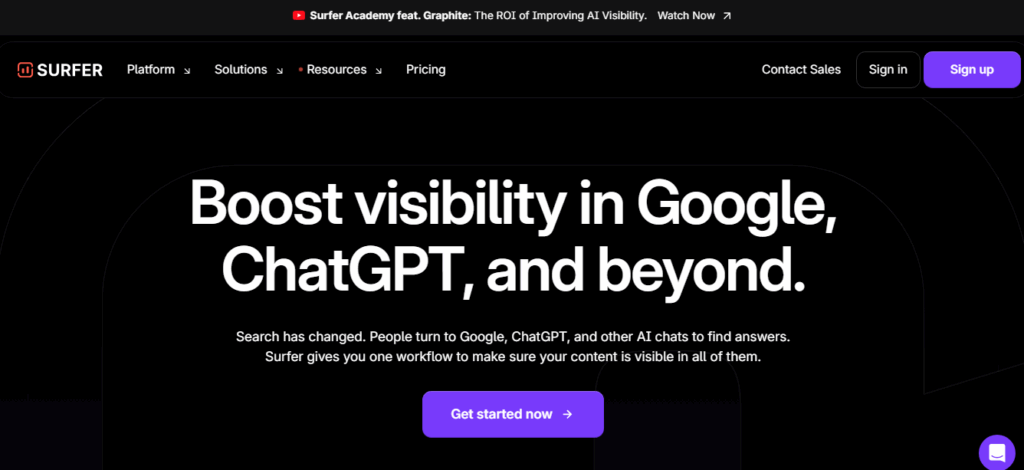
Surfer SEO is one of the AI writing tools for SEO that I use the most because it’s extremely accurate with on-page optimization. It gives real-time guidelines, competitor analysis, keyword frequency suggestions, structure recommendations, and readability insights. What I like most is that Surfer works as both a writing editor and an optimization tool. This helped me maintain high quality while following data-driven SEO signals that search engines prefer. The experience of writing inside Surfer feels smoother because I always know what I need to improve.
One major advantage is that Surfer offers free tools such as the rewording tool, content idea generator, and meta description generator. These free tools help me quickly fix sentences, generate ideas, and create SEO-friendly snippets without paying anything. When I use the Surfer Content Editor, the platform shows an SEO score, content length, keyword list, headings, and NLP suggestions based on what top-ranking pages are doing. This makes it one of the most reliable tools for improving actual ranking positions.
Surfer’s paid plans give me more advanced features like SERP analysis and the ability to integrate with Jasper. I’ve seen many SEO professionals prefer Surfer because it provides accurate guidance that directly affects ranking. If someone wants a tool that helps them optimize existing content or write new optimized articles, Surfer SEO is a perfect choice. For on-page SEO and long-term growth, Surfer stays one of my top recommendations.
Jasper AI
When I started using Jasper AI, I realized it is designed for high-quality long-form writing, marketing copy, and storytelling. The tool is powerful because it allows you to choose tone, style, and brand voice for consistent output. It also provides templates for ads, emails, blog posts, product descriptions, and social content. This makes Jasper feel like a flexible writing assistant that adapts based on your needs. The interface is clean and the writing quality is stronger than many generic AI writers.
Jasper’s SEO strength increases when I integrate it with Surfer SEO. This combination allows me to create long-form content inside Jasper while receiving optimization suggestions from Surfer. I found this extremely helpful when I want both creativity and structure. Jasper generates very natural-sounding sentences, making it perfect for brand-focused content. The tool also saves writing styles so I can maintain the same voice across multiple articles or marketing campaigns.
In terms of pricing, Jasper is more premium but offers a free trial for new users. For professional writers, agencies, and business owners who need high-quality marketing-focused content, Jasper is worth the investment. People prefer Jasper when they want content that sounds branded, engaging, and less robotic. From my own use, it’s one of the tools that consistently gives refined and polished output.
Writesonic
When I tested Writesonic, I noticed how versatile it is for different types of content. It supports blog posts, product reviews, landing page copy, ads, and even social media content. The interface is easy to use, and the tool gives SEO and readability scores that guide me towards more optimized writing. One unique thing is that some plans offer real-time data, which helps generate content based on recent trends and updates. This feature adds relevancy to the content, especially for fast-moving niches.
The article writer inside Writesonic generates structured outlines, drafts, and SEO-focused text. I liked how it maintains a balanced tone, making it useful for both casual and professional content. It also supports brand voice settings, which helped me maintain consistency across different articles. Compared to other tools, Writesonic focuses on speed and simplicity, which makes it ideal for people who want quick SEO-friendly drafts without spending too much time adjusting inputs.
Writesonic offers a free plan with limited credits, allowing beginners to explore the tool comfortably. Because of its speed and ease of use, many marketers, e-commerce owners, and bloggers prefer Writesonic to produce content at scale. In my personal workflow, I use it when I need fast drafts that are clean, SEO-ready, and easy to refine.
Copy.ai
Copy.ai is one of the easiest tools to use, especially for short-form content like social media posts, email copy, hooks, and ad ideas. When I tried it, I noticed that the tool works best for quick creative inspiration rather than heavy SEO tasks. It has many templates that generate catchy intros, rewrites, headlines, and product descriptions. This makes it perfect for people who want fast creative content without needing deep optimization.
Although Copy.ai is not the strongest for long-form SEO writing, it is great when I want to brainstorm ideas or generate multiple variations of text. I often use it to create scroll-stopping hooks, tagline variations, and engaging captions. The interface is beginner-friendly, and the content generation feels instant. For brainstorming, it’s one of the fastest platforms I’ve used.
Copy.ai has a free version that allows plenty of generations, which makes it very attractive for beginners. Its paid plans unlock more advanced features like workflows and automation, especially useful for businesses managing large content volumes. People prefer Copy.ai for its simplicity, speed, and creativity. If someone needs idea generation or quick short-form content, Copy.ai is a great choice.
Wordtune
Wordtune is different from other tools because instead of generating full content, it focuses on rewriting, polishing, and improving existing text. When I use Wordtune, I can rewrite sentences in multiple tones, simplify complex lines, and fix awkward phrasing. This makes it a valuable editing tool, especially after generating content with AI. It helps refine the text so it sounds clearer, more human, and more engaging, which indirectly improves SEO quality.
I often run AI-generated paragraphs through Wordtune to make them more natural and readable. The tool offers options like shortening, expanding, rewriting casually, or rewriting formally. This level of control is helpful when I’m adjusting content for different audiences. It also improves the flow of writing, making it sound more human, which increases the time readers spend on the page.
Wordtune has a free version that lets you rewrite a limited number of sentences per day. The premium version unlocks unlimited rewrites and advanced tone controls. People prefer Wordtune when they want clean, refined writing without sounding robotic. For editing and improving readability, it’s one of the tools I trust the most.
Tips for Using AI Tools for SEO Content
One important thing I learned while using different tools is that AI works best when combined with human editing. AI can generate structure, ideas, outlines, and drafts, but it doesn’t understand your audience the way you do. When I adjust the content manually, the final version becomes much more valuable. This balance between AI and human creativity improves both quality and ranking potential. It also reduces robotic tones and makes content more trustworthy.
I also realized that over-optimizing hurts content instead of helping it. Even when tools suggest keyword frequency, I avoid forcing keywords unnaturally. Readers and search engines both notice when keywords feel stuffed. Instead, I focus on relevance, intent, and natural flow. Tools like Frase and Scalenut that pull SERP data helped me understand what real ranking pages include, which improved my strategy.
Finally, I always run AI-generated text through plagiarism checkers and track performance after publishing. Monitoring ranking changes helps me know whether the tool-generated content is working or needs improvement. This approach helped me create consistent, high-ranking content using AI without sacrificing originality or value.
